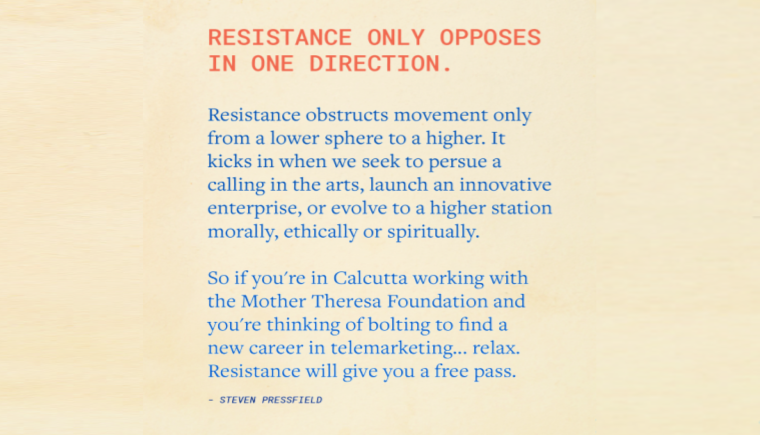
“Pressure is inevitable. Stress is optional.” That’s the powerful wake-up call from Nick Petrie, a well-respected researcher and leadership development practitioner.
He shares that “Pressure is not stress. Pressure is the external demand. Everyone has it. Not everyone gets stressed by it.” Petrie further explains, “Rumination is the bridge. To turn pressure into stress, you have to ruminate, replaying the past or rehearsing the future with a heavy dose of negative emotion attached. People who don’t ruminate don’t stay stressed, even under real pressure.”
Nick Petrie’s wisdom helps us understand that pressure comes from outside us; stress comes from what we do with it. The space between them is how we think about what we’re experiencing, and that space is where leaders have a choice.
I encourage you to recognize that pressure often comes with the responsibilities we choose to take on. Pressure is the privilege of responsibility. The more people depend on you, the more pressure you carry. Instead of asking how to escape pressure, leaders can ask what it says about what’s been entrusted to them. Pressure is often evidence of meaningful work. When we start to reframe why we experience pressure, it allows us to begin to decouple it from stress.
Pressure is the fact: the deadline, the big meeting, the difficult conversation. Stress comes from the story you add about what it means and what might happen. Stories drive more stress than facts.
Leaders can learn to separate the two. Notice how often you add extra drama to the reality of being a talented professional who is doing complex work. When you amp up the story or the stakes, your stress level rises with it. Instead, when you fully recognize challenges as a normal part of hard work, you cut through the hype and focus on what needs to be done.
The next time you feel pressure transforming into stress, take these steps:
- Focus on preparing what’s needed to meet the moment. The people who stay steady under pressure usually aren’t calmer by nature. They have trained habits that hold when emotions run high. Calm is more often a result of preparation, rather than personality.
- Ask, “What’s mine to do right now?” This turns vague worry into clear next actions. Give full effort to what’s yours and let go of what isn’t. There’s so little in life we can control. Focus on what’s yours to do, and then consistently practice letting go of the “what ifs” and “if onlys.”
- Set a clear endpoint for getting ready for a high-stakes moment. Once you’ve met that standard, stop, take space, and move forward. Any more mental rehearsal is rumination, not readiness.
As leaders, it’s important to be aware of how quickly we can pass stress on to others. The clearer we see our reality, the more we’re able to harness our valuable emotions for success and minimize the stress we experience.
Founded in 2004, Lead Star is the company behind the best-selling books SPARK, Leading from the Front, and Bet on You. Lead Star helps professionals reach new levels of success through its innovative leadership development programs.